Hedge Trimming in Golders Green

Careful hedge trimming in Golders Green helps keep boundary planting neat, balanced and healthy through the seasons. Our service is built around tidy shaping, controlled reduction and sensible maintenance for gardens where presentation matters as much as plant condition. We work on established hedges, newer growth and mixed garden borders, helping to keep lines clean without stripping away the structure that gives a hedge its purpose.
We can support regular maintenance or a one-off tidy-up where growth has become uneven, too wide or difficult to manage. In practice, the work may involve face cuts, height reduction, selective shaping and clearing the cuttings away so the area is left ready for normal use. For a clear starting point, tell us what kind of hedge you have and what result you want, then ask for a quotation based on the actual work needed.
Our approach is designed for practical garden care rather than unnecessary intervention. Some hedges only need light edging to restore definition, while others benefit from a fuller trim to improve light, access and proportion. If you are comparing options, it can help to think about whether you need simple maintenance, a corrective reshape or a more involved cutback. The right trim depends on the hedge species, growth pattern and the finish you prefer.
How we handle hedge trimming work
Every hedge is different, so the work begins with the shape, density and access available. A trim that looks straightforward from the outside may need more careful attention if the hedge has layered growth, flowering sections or uneven previous cuts. We aim to produce a consistent finish that suits the garden, whether the hedge forms a formal boundary, screens a seating area or frames a path. Where appropriate, we can also discuss how often the hedge may need maintenance to stay manageable.
Good trimming is as much about restraint as cutting. Removing too much at once can leave the hedge looking harsh or expose thin patches, while a light touch may not correct the problem if the hedge has run away from its shape. We use the work requested to guide the level of reduction and the style of finish, keeping the result neat and proportionate. If you want to proceed, send a brief description of the hedge and request a quotation.
Regular maintenance for neat boundaries

Many customers want hedge trimming as part of regular garden maintenance rather than waiting for growth to become difficult. A consistent routine can help preserve a clean line, prevent hedges from narrowing paths and reduce the need for more drastic cuts later. This is especially useful where the hedge supports privacy, defines an edge or contributes to the overall order of the garden. A planned trim also makes it easier to keep the hedge at a practical height for day-to-day use.
Regular upkeep is not just about appearance. Repeated trimming at sensible intervals can help keep the hedge dense from top to bottom, which often produces a better result than leaving long gaps between cuts. The exact timing depends on the hedge type and the way it has grown, so we focus on the condition of the plant rather than a fixed rule. If you are unsure whether your hedge needs a light tidy or a more substantial cut, a quotation request can include that detail.
For many gardens, the best result comes from steady, measured work rather than dramatic change. You may simply want the sides evened out, the top levelled or the front face brought back into line with the rest of the garden. These are practical adjustments that make a real difference to the overall finish without changing the character of the planting. Regular hedge trimming can be especially helpful where other parts of the garden are already well kept and the hedge now needs to match them.
Shaping, reduction and corrective trimming
Some hedges need more than routine maintenance. If the growth has become uneven, the top has crept too high or the sides have pushed out into usable space, trimming may need to include careful reduction and reshaping. This kind of work is about bringing the hedge back into proportion while keeping it healthy enough to continue as part of the garden. The finished result should look intentional, not simply cut back for the sake of it.
Corrective trimming can also help when a hedge has been previously cut with a poor line or has developed one-sided growth. In those cases, the aim is often to create a better framework over time rather than force a perfect finish in one session. Where a fuller reshaping is sensible, we keep the work focused on the current condition of the hedge and the outcome you want to achieve. Balanced reduction is usually more effective than over-cutting, especially where the hedge still needs to recover thickness.
What influences the quotation

A quotation for hedge trimming is usually shaped by the size of the hedge, the amount of work required and how accessible it is from the ground or surrounding garden. Height, length, density and the level of shaping all affect the time and effort involved. A hedge that only needs a tidy edge is different from one that needs a fuller reduction, especially if the clippings are substantial or the line has become irregular. Clear details at the outset help the price reflect the actual task.
It can also help to mention whether the hedge is part of a wider garden job, whether there are narrow access points and whether the cuttings need to be removed from the site. If you have several hedges in one property, listing them separately makes the quotation easier to understand. Photographs are useful because they show the scale, density and finish more clearly than a short description alone, but a written outline is still important. If you are ready, ask us for a quotation with the hedge details you know.
Garden areas we can keep tidy alongside hedge work
Hedge trimming often sits alongside broader garden upkeep, especially where the hedge borders lawns, beds, fences or paved access. When these spaces are already being maintained, it is easier to keep the whole garden looking orderly if the hedge line is also under control. For some properties, a trim is the main task; for others, it is one part of a wider programme of garden care that keeps the outside space straightforward to use and pleasant to look at.
Where it makes sense, related work may include hedge trimming as a standalone service page for this type of maintenance, helping you compare the main offering with other garden jobs. If your plans also include broader upkeep, you may want to review garden maintenance to see how hedge work can sit within a larger routine. The aim is to keep the service practical and easy to organise without turning the garden into a series of separate, disconnected tasks.
Some customers prefer to tackle only the hedge, while others want the whole garden brought into better order at the same time. The best approach depends on how much of the space is already under control and which areas are affecting the overall appearance most noticeably. If your hedge is part of a larger improvement plan, it may be sensible to look at the surrounding planting, access routes and boundary lines together rather than in isolation.
Managing cuttings, finish and site tidiness
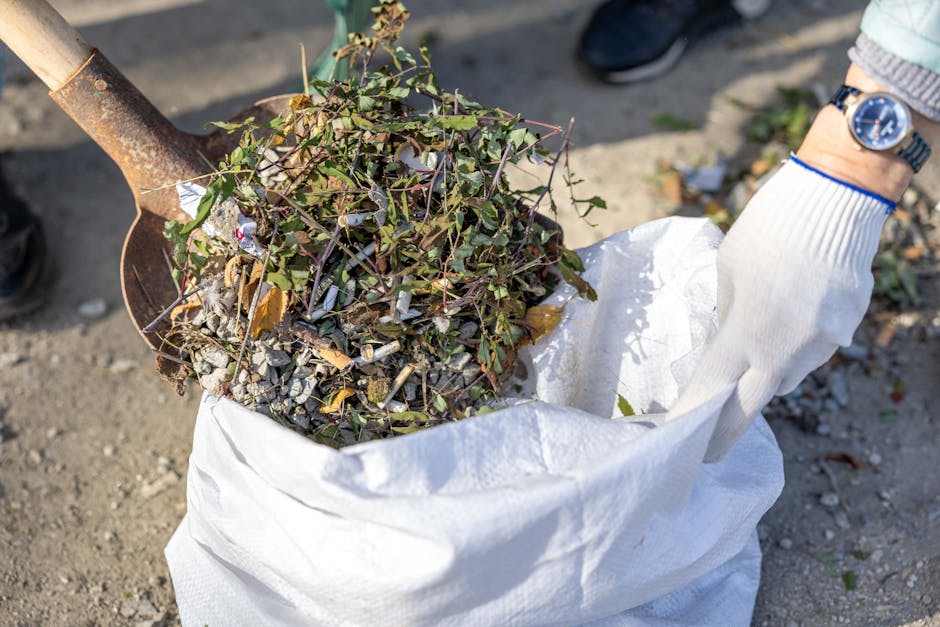
A neat hedge trim should leave the garden usable as well as improved. That means thinking beyond the cut itself and considering the clippings, the finish around the base and the way the hedge now sits against the rest of the space. A trimmed hedge can look better immediately, but it should also be left in a state that does not create extra work for the customer once the trimming is complete. Tidiness is a practical part of the service, not an optional extra.
In many gardens, the difference between an acceptable result and a good one comes down to these finishing details. Clippings can be gathered and removed, the line of the hedge can be checked from both sides where access allows, and awkward protrusions can be dealt with so the hedge reads as one consistent shape. That kind of attention helps the hedge look intentional rather than hurried. If you need the trim to support a clearer view, better access or simply a better-kept boundary, say so when you request a quotation.
Hedge types and practical limits

Different hedge types respond differently to trimming, so it is important to match the work to the planting rather than assume one method suits all. Dense evergreen hedges may need careful outer shaping, while more mixed or seasonal hedges can call for a gentler approach that avoids removing the parts carrying the best growth. The right finish depends on how the hedge has been trained, how old it is and how much correction it needs.
There are also practical limits. A hedge that has been neglected for a long time may not be best served by a heavy cut in one go, especially if the growth is thin or uneven beneath the surface. In those cases, a staged approach may be more appropriate. That is not a refusal to help; it is simply a more realistic way to achieve a better result. A quotation request can note whether the hedge has been regularly maintained or left for a longer period between trims.
About Golders Green
Golders Green is a district in the London Borough of Barnet, in north-west London, known for its position along the Finchley Road corridor and for the way it combines suburban streets with busy urban connections. The area developed rapidly in the late nineteenth and early twentieth centuries, particularly after transport links improved, and much of its character reflects that period of growth. Residential roads sit alongside local shops, places of worship and everyday services, giving the neighbourhood a distinctly mixed urban feel rather than a purely residential one. Golders Green station, on the Edgware branch of the Northern line, has long shaped movement through the area and remains a central reference point for local geography. Nearby, Hampstead Heath Extension offers open green space close to the district, while the surrounding streets include a varied range of houses and apartment buildings from different eras. The area is also known for a strong cultural life, with long-established communities contributing to the food, retail and religious landscape. Taken together, these features make Golders Green a place where older suburban development, transport access and local commercial activity sit closely alongside each other.
When it comes to the practical care of boundary planting, a tidy hedge often does a great deal to shape how a garden feels from the street and from within the property. If growth has become uneven, the work may need a gentle corrective trim rather than a simple clip, especially where the hedge borders a front garden, a shared access route or a narrow side return. A thoughtful finish can help keep lines clean, maintain balance and make the surrounding space easier to use. If you would like help with hedge trimming in Golders Green, you can ask for a quotation based on the size and condition of the hedge.
Some gardens need only a light pass to restore order, while others need a more deliberate reshape to bring them back into line. If you are planning ahead, it can be useful to consider the hedge as part of the whole garden rather than as a separate feature; its height, thickness and line all affect the way the space is perceived. For that reason, many owners prefer to keep on top of trimming before growth becomes awkward or difficult to manage. Regular attention makes the result more predictable and often easier to maintain over time.
Planning a straightforward quotation

A good quotation starts with the basics: where the hedge is, roughly how large it is and what kind of finish you want. It helps to mention whether the work is a simple tidy, a shape correction or a more noticeable reduction in height or width. If the hedge is difficult to reach, borders a tight path or stands close to other planting, those details matter too. The more clearly the task is described, the easier it is to match the quotation to the real work.
You do not need to write a long brief. A few clear points are usually enough to show whether the job is straightforward or whether it needs more careful planning. If you already know the hedge type, that is useful; if not, a general description and a photograph can still help. The aim is to keep the process practical and avoid unnecessary back-and-forth. Short, accurate information is often the quickest route to a sensible price.
If you are ready to arrange hedge trimming in Golders Green, send the details you have and ask for a quotation. You can keep it simple: hedge location, approximate size, the finish you want and whether clippings need to be taken away. Request a quotation when you are ready to move forward.
Related garden services and useful choices
Some customers want hedge trimming on its own, while others prefer to combine it with wider garden work so the space feels fully brought together. If you are already reviewing what the garden needs, it can help to think about the hedge in relation to adjoining surfaces, planting and boundaries. That may point towards a simple trim, a maintenance visit or a broader improvement plan depending on how much of the garden needs attention at the same time. The right choice is usually the one that solves the main problem without creating unnecessary work elsewhere.
Where the hedge sits within a larger outside space, related pages such as services overview and pricing and quotes can help you compare the available options before you ask for a quotation. If the hedge is part of a wider redesign or refresh, landscape gardening and landscaping may also be useful starting points for understanding how the work fits into the rest of the garden. These pages are there to help you choose the most suitable scope for the job.
For customers whose hedge work is connected to other outdoor tasks, it can be sensible to line up the order of work so the garden is handled efficiently. That might mean trimming first, then moving on to planting or layout work later, or simply keeping maintenance focused on the areas that affect everyday use the most. A concise enquiry is usually enough to begin that process. When you are ready, ask for a quotation and include the main points that matter to your garden.